
What Is Electrical Energy and How Is It Produced?
Electrical energy is the invisible force of the modern world. It is used in every aspect of daily life—from homes to factories, from transportation to communication. So, what exactly is electrical energy and how is it produced? In this article, we explain all the essential information in simple terms, from the definition of electrical energy to its production processes.
What Is Electrical Energy and How Is It Produced?
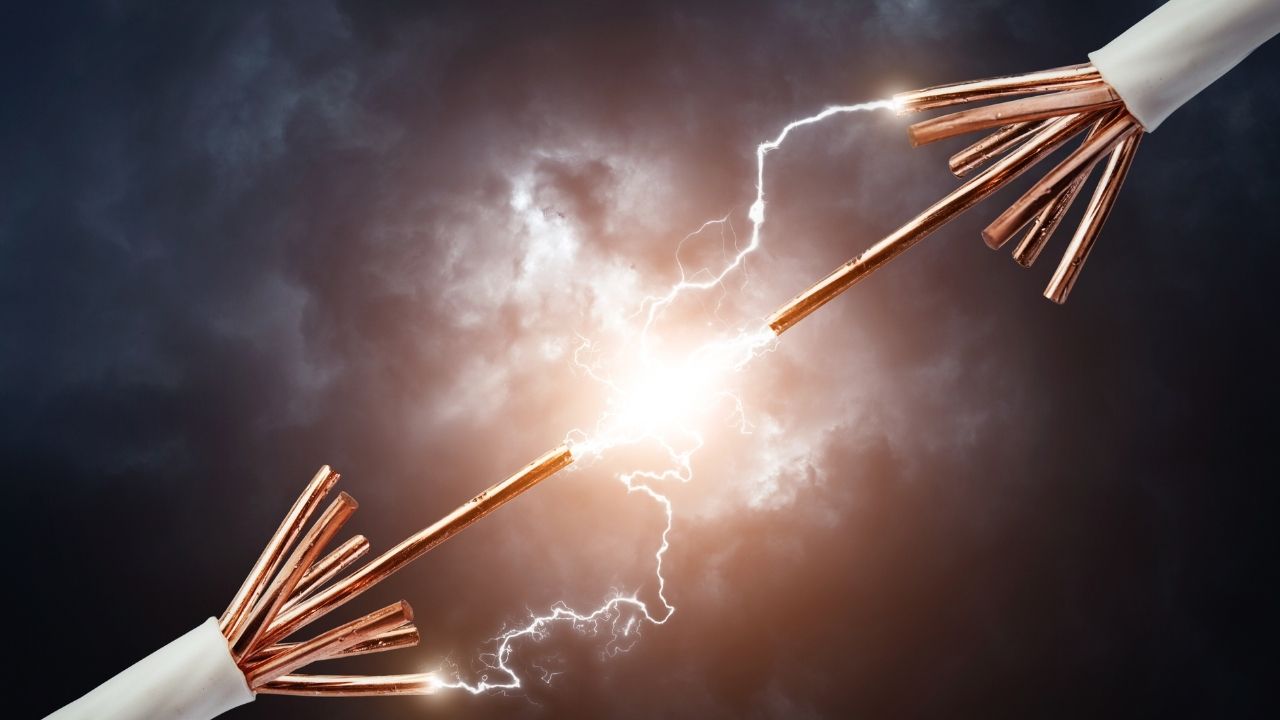
Electrical energy is the invisible force that keeps modern life running. From household lighting to digital devices, from industrial machinery to transportation systems, nearly every technology we rely on today is powered by electricity. But what exactly is electrical energy, and how is it produced? In its most basic form, electricity is a type of energy that emerges from the movement of electrons within the atomic structure of matter. When this movement is controlled through a conductor, it forms an electrical current—making it possible for all the devices around us to function.
The production of electrical energy involves converting various natural and artificial energy sources into usable electricity. The most common method is the conversion of mechanical energy into electrical energy by using generators. In thermal power plants, fuels such as coal, natural gas, or fuel-oil are burned to generate high-temperature steam. This steam spins turbines, and the mechanical rotation of the turbines is transformed into electrical current inside the generator. Hydroelectric power plants work on a similar principle, but the energy source is water. Stored water is released from a height, its force rotates the turbines, and the generator converts this movement into electricity. As a renewable and clean resource, hydropower remains one of the most widely used energy production methods across the world.
Wind energy has become another major contributor to electricity generation. The blades of wind turbines rotate under the force of the wind, and this mechanical motion is converted into electrical power through a generator. Solar energy, on the other hand, can produce electricity through two different approaches. Photovoltaic panels convert sunlight directly into electrical energy, while solar thermal power plants use heat to produce steam and drive turbines. Nuclear power plants generate electricity through the controlled splitting of atomic nuclei, which releases significant heat—once again producing steam to power turbines. Due to its high and consistent output, nuclear energy plays a strategic role in many countries’ long-term energy planning.
Once electricity is generated, it cannot be used immediately at its source; it must undergo a detailed transmission and distribution process. The electricity produced in power plants is first stepped up to high voltage levels to minimize losses during long-distance transmission. It is then transported through transmission lines to cities, where distribution transformers reduce the voltage to safe levels suitable for homes, businesses, and industrial facilities. Thanks to this multilayered system, electricity can be delivered instantly, safely, and continuously to all users.
-small.jpg)
-small.jpg)
-small.jpg)
-small.jpg)
-small.jpg)
